Culture
Where to find Kyoto's traditional crafts
Kiyomizu-yaki pottery, Nishijin silk, bamboo and lacquer: where to watch makers at work and buy pieces that will last.
By Aiko Tanaka · Updated · 6 min read
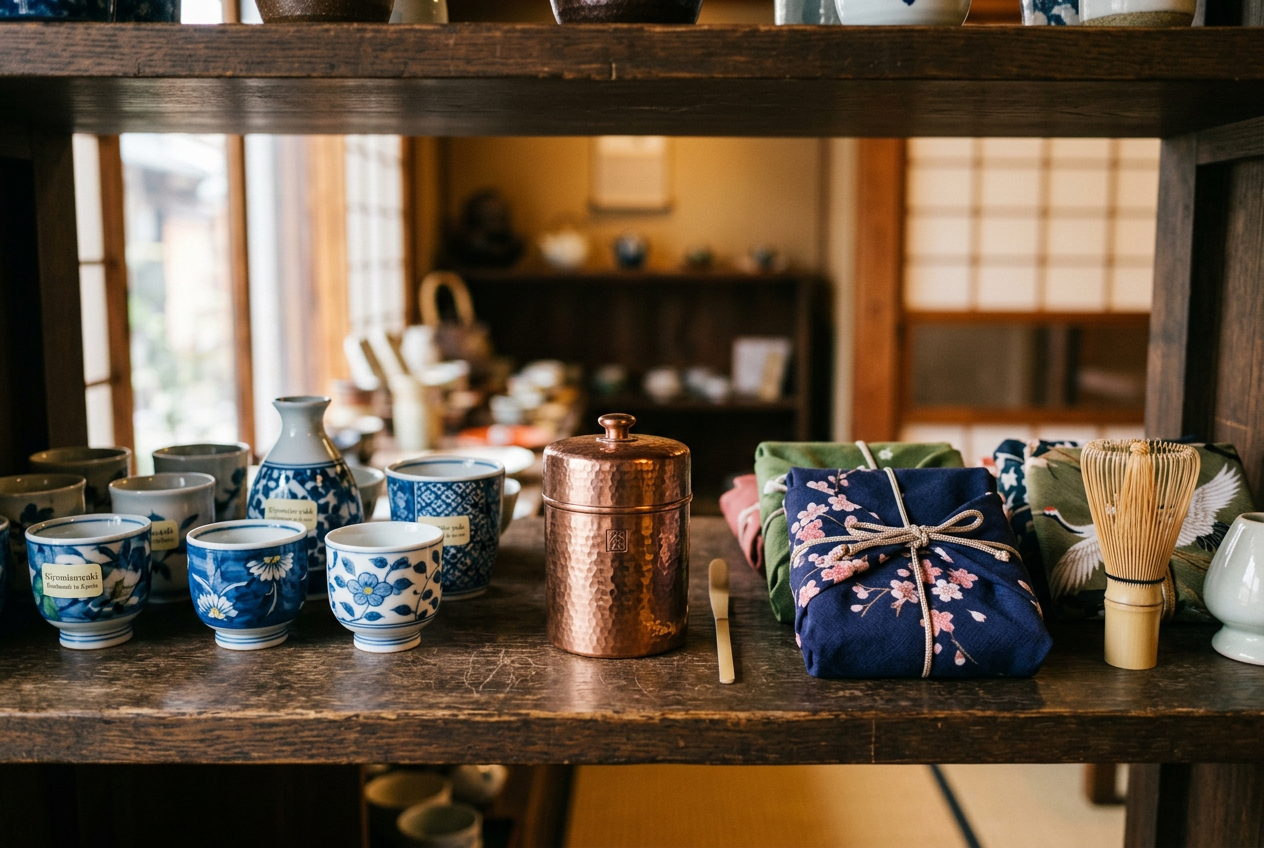
Pottery on Gojo-zaka
Kiyomizu-yaki is Kyoto's own ceramic tradition, fired in kilns on the slope below Kiyomizu-dera for over 400 years. The lanes around Gojo-zaka are still full of studios, and several offer one-hour wheel or painting classes; finished pieces are fired and posted home.
In early August the Gojo-zaka pottery festival lines the street with hundreds of stalls selling seconds and one-offs at good prices.
Nishijin weaving
North-west of the Imperial Palace, the Nishijin district has woven silk brocade for obi belts since the 15th century. The Nishijin Textile Center runs kimono shows and loom demonstrations, and nearby workshops let you try a small hand loom.
Shopping well
For gifts, look for the Kyoto traditional craft mark and buy direct from makers. Kyoto Handicraft Center near Heian Shrine gathers many crafts under one roof, while Teramachi and Sanjo have century-old specialists in knives, brushes and incense.
Ask before photographing inside workshops, and remember many small makers close on Sundays.
Places in this article
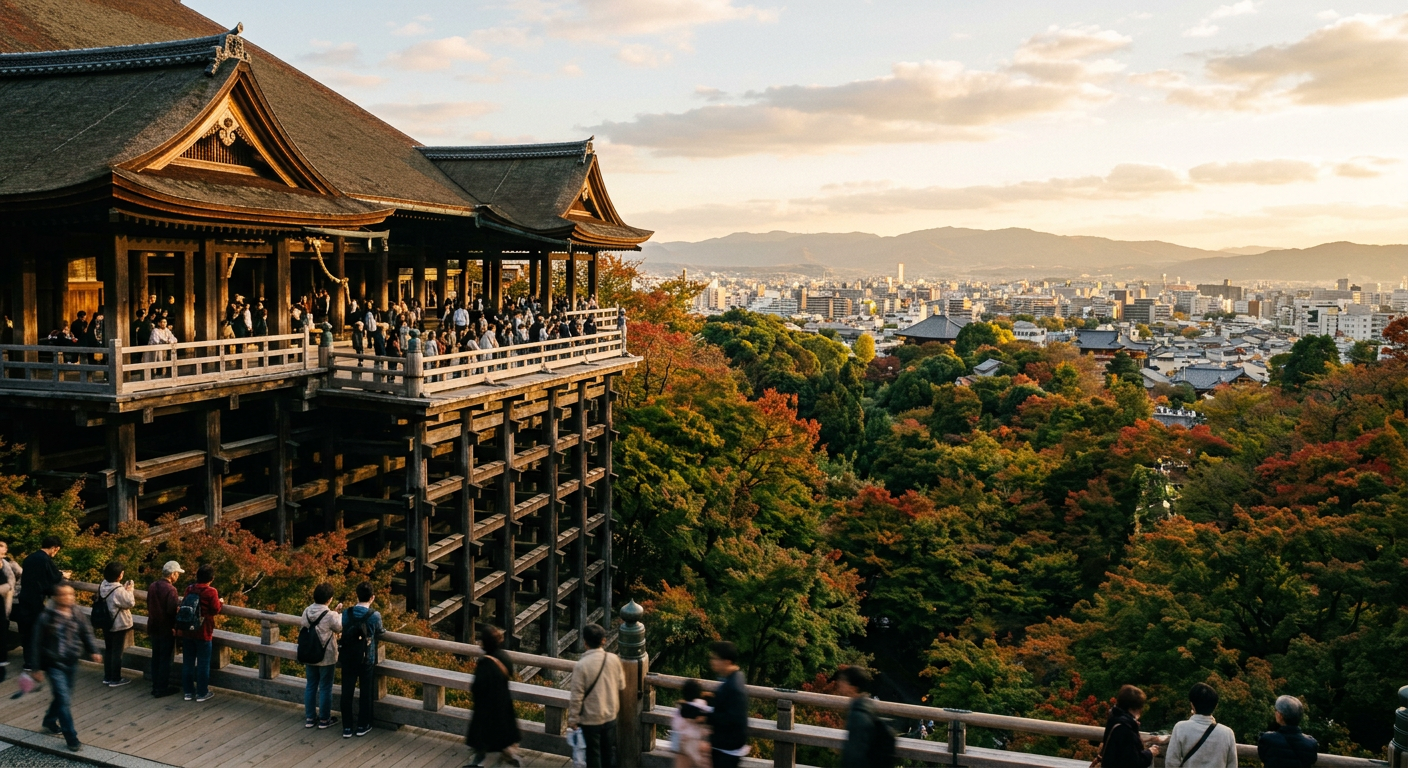 Temple
Hillside temple with a vast wooden stage built without a single nail, overlooking Kyoto.
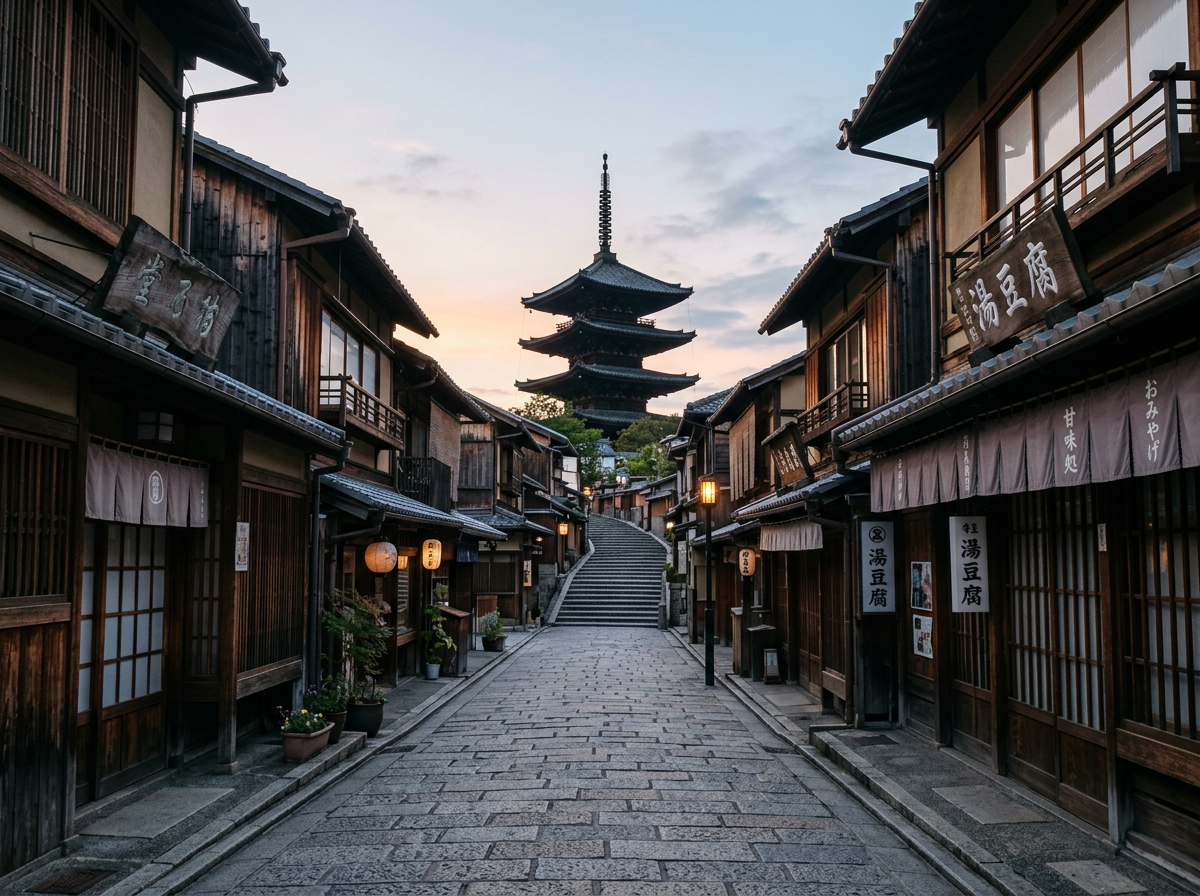 Walk
Ninenzaka and Sannenzaka
二年坂・三年坂Stone-stepped lanes of wooden shophouses climbing toward Kiyomizu-dera.